
What Jamie assesses
Balance across the upper face
- Overall depth and position of hollowing
- Brow and cheek relationship
- Upper-face volume differences
- Previous filler history and current priorities
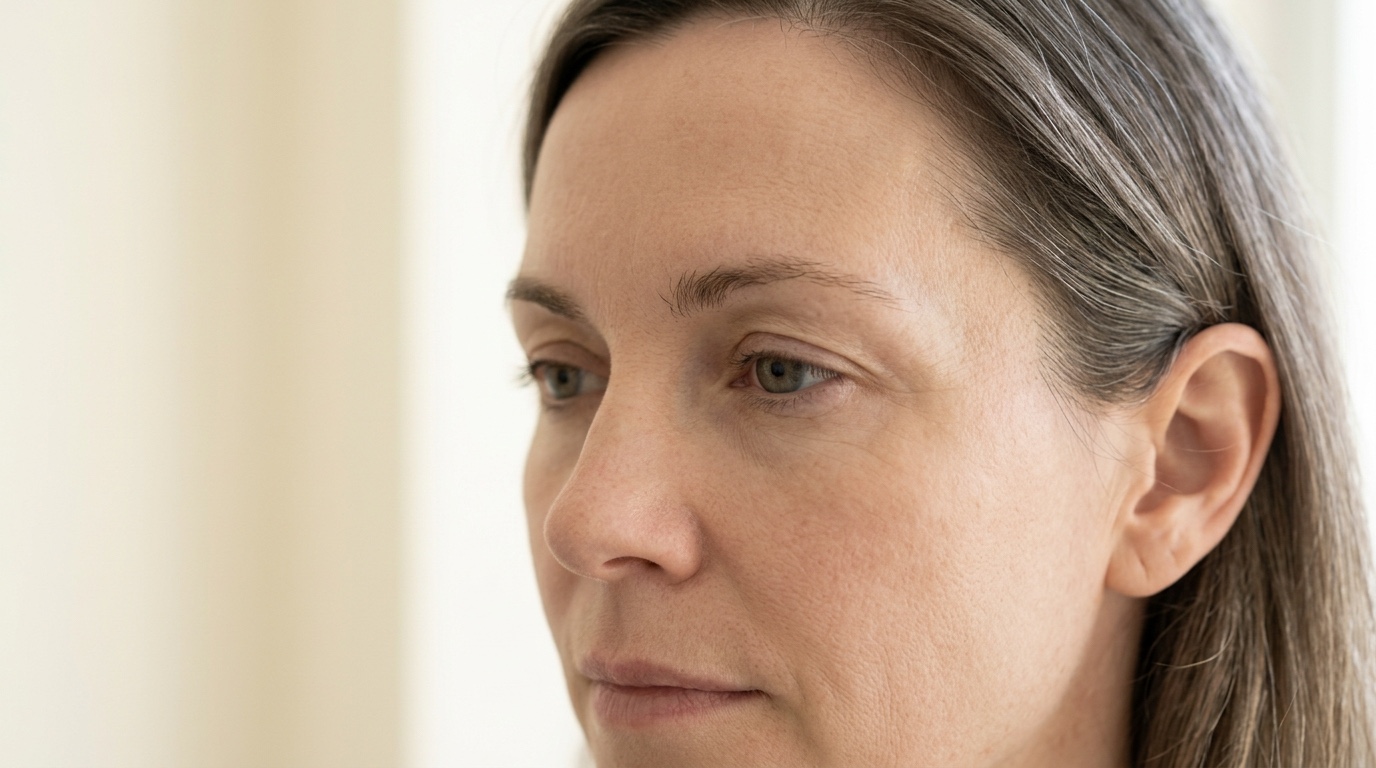
Doctor-led temple assessment · Manchester
Meet Dr Jamie Harrison to assess temple hollowing, upper-face proportions and whether subtle volume support could create a smoother, more balanced transition.
Temple rejuvenation suitability
The temples can lose volume gradually, creating a hollow between the forehead, brow and cheek. The change can affect the overall outline of the face even when it is not the first feature you notice.
Dr Jamie assesses both temples, the brow, cheek and hairline before recommending treatment. The aim is a subtle transition that belongs with your existing features, not a visibly filled area.
He also considers whether the change is mainly due to temple volume or whether the brow, cheek or wider upper face is influencing what you see. This helps keep the recommendation focused and avoids treating an area simply because it appears hollow.
Book an in-person consultation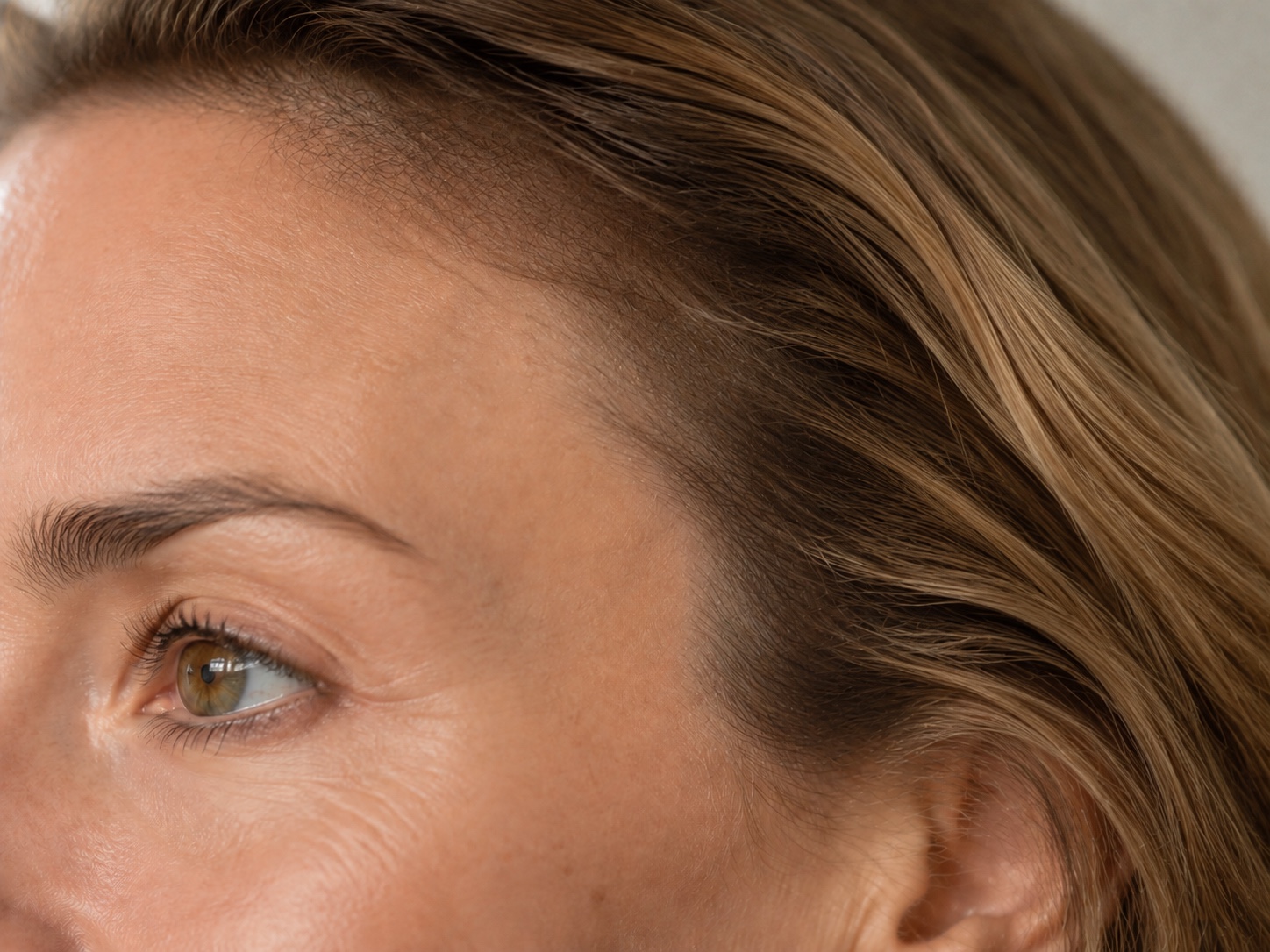
Review the depth, position and effect of the hollow on the overall facial outline during assessment.
Consider how the temples connect visually with the brow, cheek and hairline during assessment.
Discuss skin quality, previous treatment, visible asymmetry and the change you would like to see.
A considered recommendation
Temple treatment supports the wider face rather than making the temples a feature. Dr Jamie considers how much support is appropriate on each side and whether another area contributes to the change you see.
What Jamie assesses
A measured approach
Your first appointment
Dr Jamie reviews what has changed, assesses your temples in relation to the brow, cheek and hairline, and explains whether filler is likely to create the improvement you want.
Book your consultationExplain differences noticed around the temples and how you want the upper face to appear while remaining natural and familiar.
Dr Jamie carefully reviews your health, medication, previous filler and any facial treatment that may influence product choice or placement.
The temples are assessed with brow, cheek, hairline and natural differences so the recommendation supports the whole upper face proportionately.
You discuss whether volume support is likely to improve and whether another region or treatment is contributing to the concern.
You leave with a recommendation, realistic result, confirmed treatment cost and time to decide whether you would like to proceed.
Treatment day
If treatment is suitable, Dr Jamie agrees the amount and placement with you before preparing the area. Filler is placed according to your anatomy, then the balance of the upper face is reassessed before aftercare is explained.
Book a consultation
Review the intended change, treatment amount and any difference required between the two sides before your treatment begins.
The skin is cleansed and placement is precisely planned around your individual anatomy and balanced upper-face proportions.
Dr Jamie places product gradually, checking contour and balance rather than following a fixed amount on each side.
Upper-face balance is reassessed, settling is explained and you receive treatment guidance for the days that follow.
Recovery and settling
Temple filler creates an immediate change, but early swelling can make the area look fuller than planned. The settled result is best assessed after both sides have had time to settle.
Dr Jamie explains the expected review point so the temples can be assessed in relation to the brow, cheek and overall upper-face outline once early changes have resolved.
The hollow may look softer immediately, with some temporary fullness around the treated area while the initial response settles gradually.
Mild tenderness, bruising or uneven swelling can improve gradually and may resolve naturally at a different pace on each side.
The transition between the forehead, brow and cheek becomes easier to assess once the filler and surrounding tissue have settled.
Longevity varies with product, placement and personal response. Upkeep follows clinical review of the returning pattern of temple volume change.
Safety and informed consent
Your consultation covers the expected benefits, likely recovery, relevant risks, alternatives and aftercare before you decide whether treatment is right for you.
Small injection marks, redness, tenderness, swelling or bruising can occur while the area settles. Changes develop gradually, and early differences usually become easier to assess over time.
If your recovery feels different from what was discussed, or you are concerned at any point, contact the clinic. Dr Jamie will assess what is happening and explain what to do next.
Before treatment, Dr Jamie explains the expected recovery, relevant risks, alternatives and aftercare, with time for you to ask questions before deciding whether to proceed.
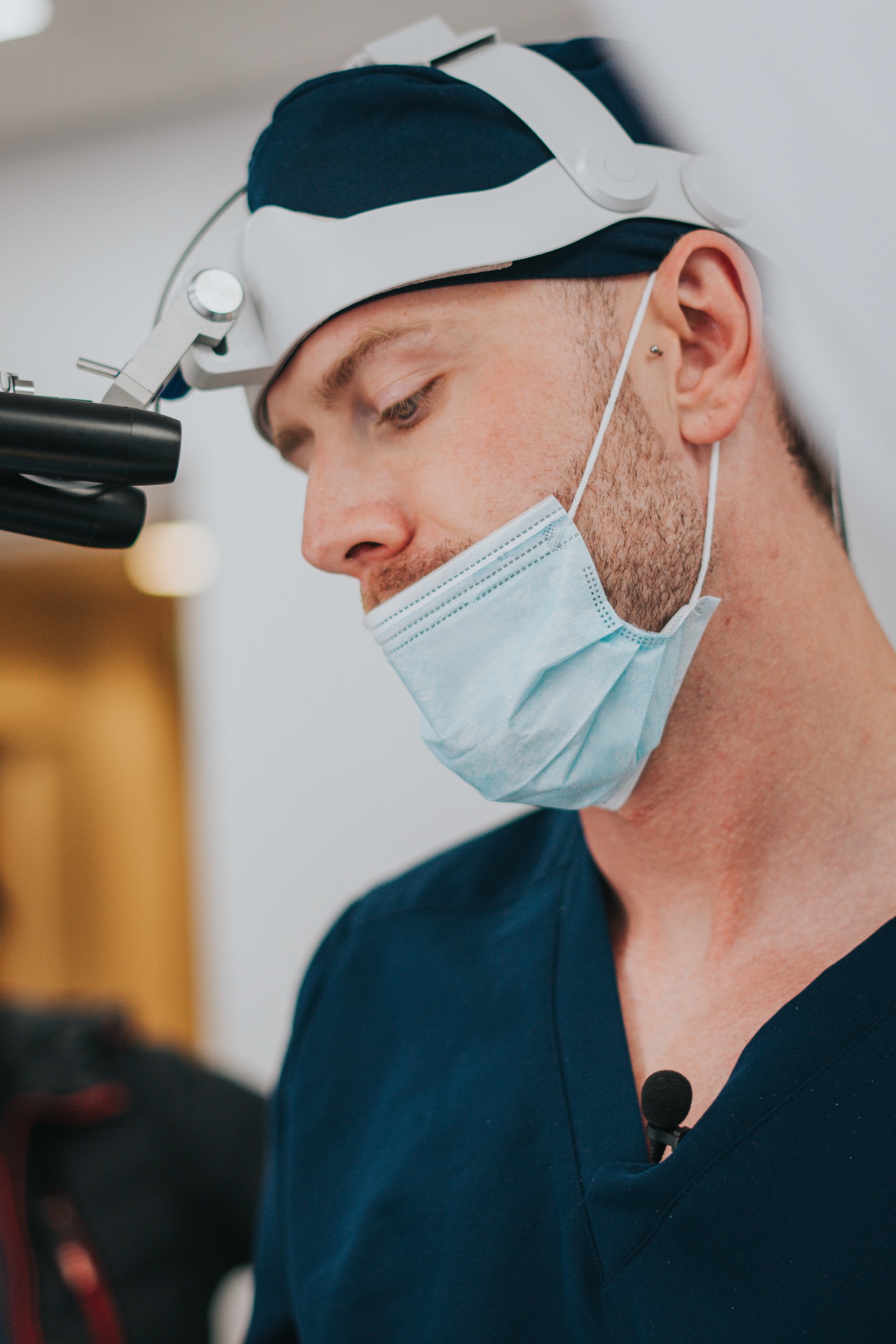
Your doctor
Dr Jamie Harrison personally assesses, plans and performs every temple rejuvenation treatment at The Rejuvenation Doctors in Bury, Greater Manchester. He bases his recommendation on your anatomy, what you would like to change and the result you want.
As a GMC-registered doctor, Dr Jamie combines medical assessment with a measured approach. He explains what the treatment may improve, its limitations and how the proposed plan relates to your other features or skin goals.
Dr Jamie remains responsible for your treatment record, aftercare and review, so you see the same doctor from consultation through to follow-up.
Patient feedback
“From the initial consultation through to the procedure, Dr Jamie and the team were professional, calm and very reassuring.”
“They made me feel listened to and comfortable throughout. Everything was explained clearly and the care felt personal from start to finish.”
“They came across with warmth and did not push me at all. You are treated like a patient, not a customer.”
Temple rejuvenation pricing
Temple filler treatment is planned individually. Dr Jamie confirms the treatment, likely course and complete price after assessing the area and discussing your priorities.